
News
How to Reduce Ocean Freight by 20%? The Secret of Landed Cost Optimization .
2026-05-06
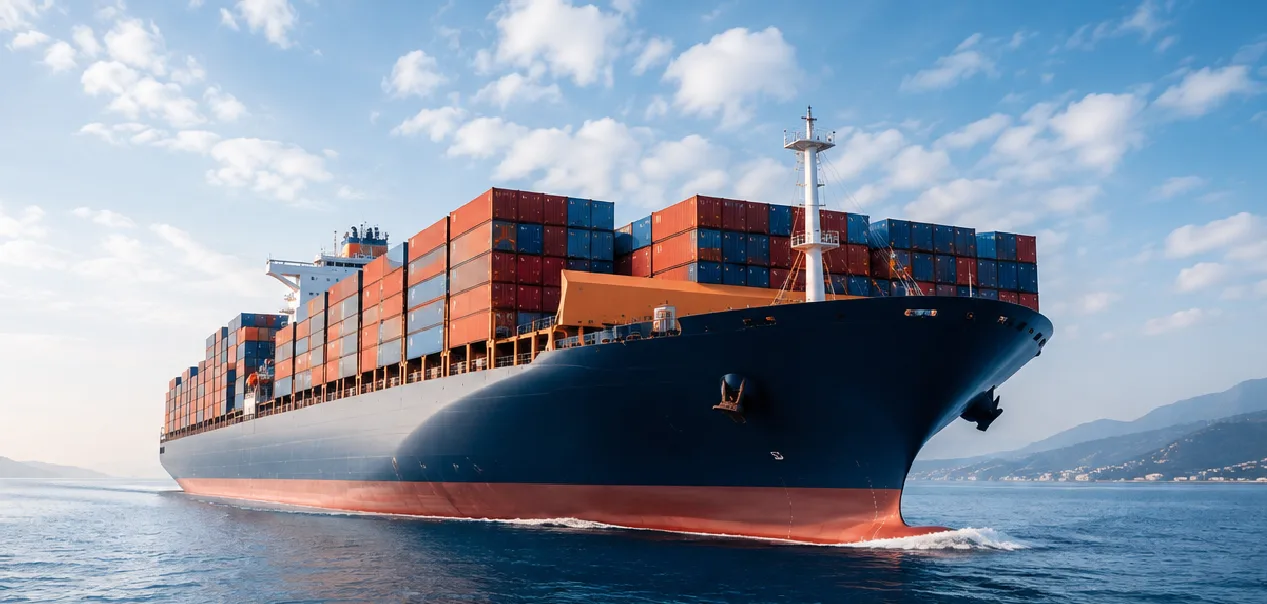
In global supply chains, ocean freight is only one part of the final cost of getting a product from the factory to the customer. For importers, the real challenge is not simply finding the lowest freight rate, but controlling the total landed cost. A lower ocean freight rate can certainly improve margins. But meaningful savings often come from better shipment planning, higher container utilization, smarter routing, and tighter control of hidden logistics costs. In many cases, combining several small improvements can create savings of 20% or more across the overall freight operation.

01. Increase Container Utilization
One of the most direct ways to reduce freight cost per unit is to make better use of the space you are already paying for. Poor packaging design, inconsistent carton dimensions, and fragmented shipments can leave valuable container capacity unused. Better load planning can increase cargo density and reduce the number of containers required for the same volume of goods. For suitable shipments, consolidating smaller loads into FCL can also significantly reduce the cost per CBM compared with repeatedly shipping LCL. Industry guidance suggests that strategic consolidation can deliver substantial savings, while broader load-optimization programs can reduce transportation costs by improving capacity utilization. Carrier negotiations become much more effective when they are based on actual shipment data. Instead of simply asking for a lower rate, importers can analyze annual volume, major trade lanes, seasonal fluctuations, container utilization, shipment frequency, and historical performance. This creates a stronger basis for negotiating annual contracts, volume commitments, or a combination of contract and spot-market capacity. Recent research on freight procurement also highlights the importance of reviewing actual historical utilization and performance before deciding how much volume to commit. A reliable forecast can be valuable to both sides: buyers gain better pricing visibility, while logistics partners gain better capacity planning.
02. Control the Hidden Costs
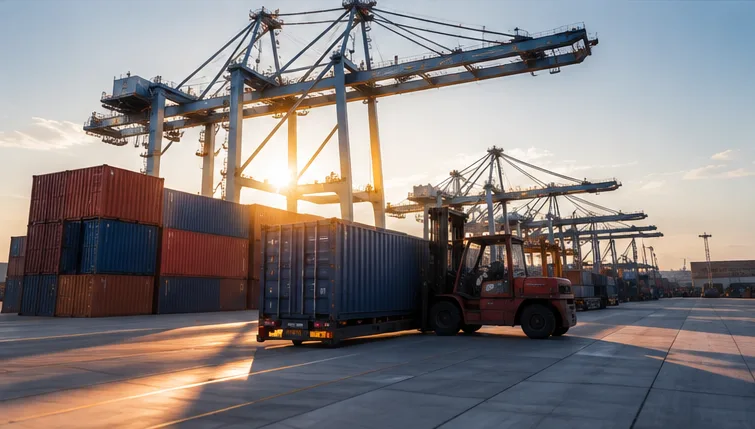
Some of the easiest savings are often hidden outside the freight quotation. Demurrage and detention, storage, re-delivery, documentation errors, customs delays, and unnecessary handling can quietly increase the final landed cost. For this reason, companies should monitor practical KPIs such as container utilization, free-time usage, appointment performance, transit time, invoice discrepancies, and actual cost versus planned cost. Reducing these operational leaks does not necessarily require negotiating with the carrier. Sometimes the biggest improvement comes simply from better coordination between purchasing, production, logistics, customs, and warehousing. The Real Secret: Optimize the System, Not One Cost. Reducing ocean freight by 20% is rarely achieved through one dramatic change. It usually comes from combining several improvements: Better packaging + higher container utilization + smarter consolidation + optimized routes + stronger carrier negotiations + tighter operational control. A 5% improvement here and another 5% there can eventually create a much larger reduction in total landed cost. That is why landed cost optimization should be treated as a continuous business process rather than a one-time freight negotiation. For manufacturers and importers, the companies that understand the entire logistics chain—not just the shipping quotation—are better positioned to protect margins, improve competitiveness, and build a more resilient global supply chain.